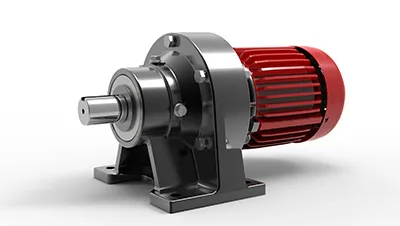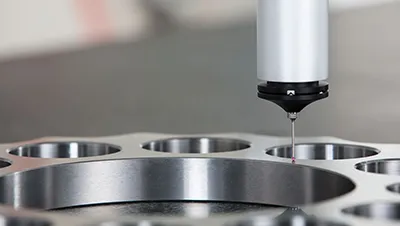
Cycloidal speed reducers combine a compact design with smooth motion and reliable performance. They’re built to handle continuous operation while keeping efficiency and stability over time. Their housing is made of high-quality cast iron (FC25), while larger models above size 620 use ductile cast iron (FCD45) for extra strength. Inside, the transmission components are made from SUJ2 bearing steel that’s heat-treated and ground to achieve consistent precision and wear resistance.
Thanks to their unique design, cycloidal drives distribute stress evenly across more than 60% of their components, compared to less than 5% in conventional gear systems. This makes them remarkably reliable under continuous or heavy-duty operation. Even after long periods of operation, these reducers continue to perform steadily until maintenance can be carried out at a convenient time. They offer reliable performance and peace of mind, even in tough or demanding working conditions.
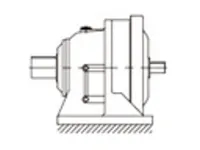 Horizontal
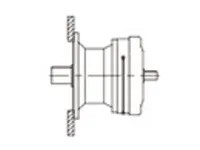 Vertical flange
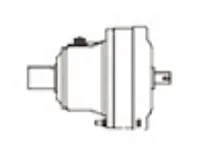 F- flange
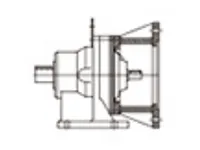 C-flange
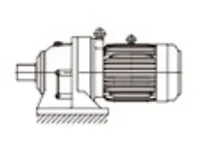 Direct motor connection
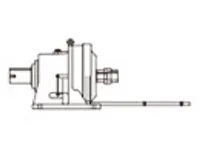 Motor bracket mount
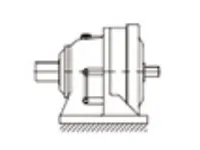 Double shaft
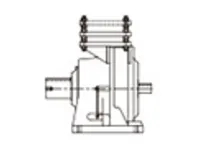 Double shaft with top motor mount
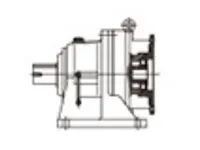 HX-flange
- Cycloidal speed reducers have a redesigned gear engagement that helps lower noise and keep operation stable even under heavy load
- Withstand overloads up to five times its rated torque without loss of stability
- Their improved cycloidal tooth design increases contact area, giving the gearbox better strength and resistance under shock loads
- Compact structure with a wide transmission range, from 6:1 in single-stage models to nearly 1,000,000:1 in three-stage setups
- Work well in systems with frequent starts, stops, or reverse motion due to its low inertia and steady response
- Offer long service life with minimal maintenance needs, reducing downtime and operating costs over time
- Their internal components are designed to match Japanese brands such as Sumitomo, ensuring easy part replacement and continuous operation
-
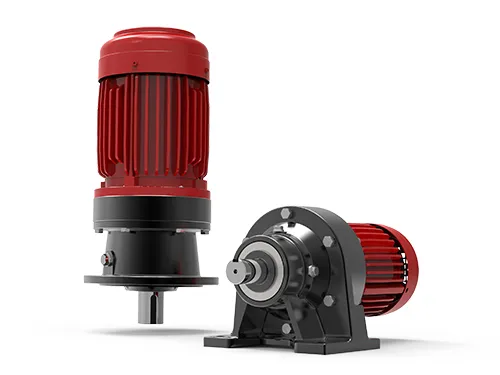
- Cycloidal Speed Reducer (800 Series) Cycloidal reducers for industrial y automation systems use a rolling contact design that greatly reduces sliding friction and vibration during operation. Since multiple teeth share the load at the same time, torque transmission is smoother and energy loss is minimized. Efficiency can reach over 96% for single-stage setups and around 92% for two-stage configurations. Discover more
-
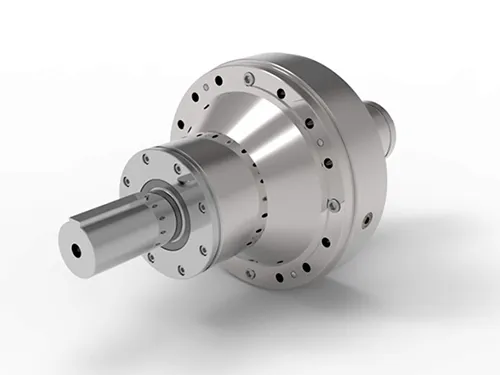
- Speed Reducer for Centrifuge Cycloidal reducers for centrifuges are designed to keep these machines running smoothly and safely during continuous operation. They work by using a set of rotating pins and a ring gear to slow down the motor speed while increasing torque. This allows the centrifuge to spin evenly without vibration, even when handling heavy loads. Discover more
-
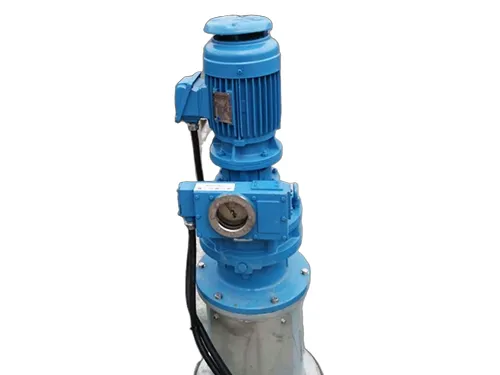
- Speed Reducer for Water Treatment Water treatment systems rely on a wide range of equipment, and behind every pump, mixer, and agitator, there’s a reducer ensuring steady motion and reliable torque. Cycloidal speed reducers are components that support the continuous and efficient operation of water and wastewater treatment facilities. Discover more
-
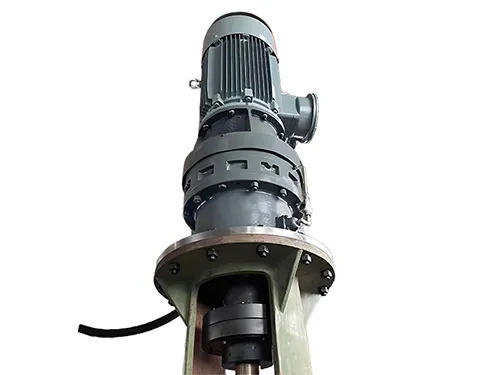
- Speed Reducer for Mixer/Blender In chemical and industrial mixing, maintaining stability and control throughout the process is important for consistent results. Mixers and blenders rely on a steady drive system to keep materials moving evenly, and cycloidal speed reducers provide the smooth, continuous power needed to support that operation. They keep the process running smoothly, even during long production hours, preventing interruptions or sudden torque changes. Discover more
-
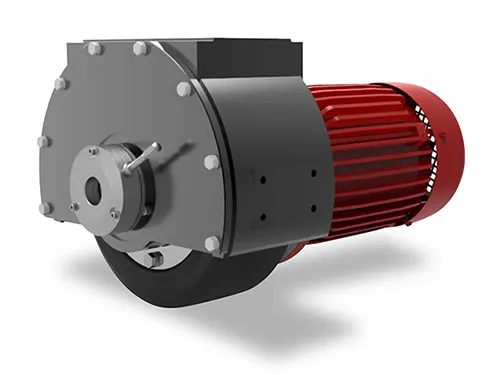
- Speed Reducer for RGV & AGV Automated transport systems such as RGVs and AGVs require compact and efficient power units that can handle long hours of continuous movement without losing stability. Cycloidal speed reducers meet these needs by combining high torque capacity with smooth, reliable motion. Their lightweight structure makes them ideal for modern logistics and warehouse automation, where space is limited but precision and durability are important. Discover more