Features
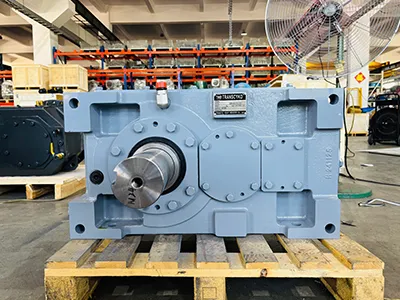
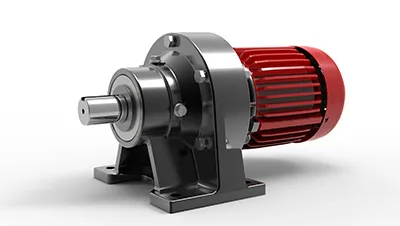
- The modular design offers flexible installation, horizontal, vertical, or upright, and flange-mounted models fit easily into compact spaces.
- A non-contact labyrinth sealing system minimizes wear and ensures long-term reliability.
- Improved cooling fan housing improves heat dissipation and keeps performance stable during continuous operation.
- The improved gear design helps reduce friction and noise, making the operation smoother and more efficient.
Output Method
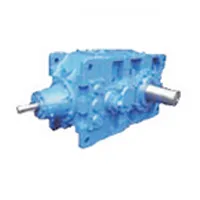 Solid shaft
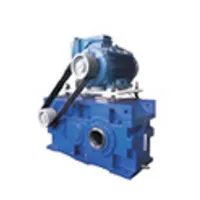 Hollow shaft (keyed)
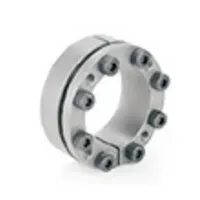 Locking assembly
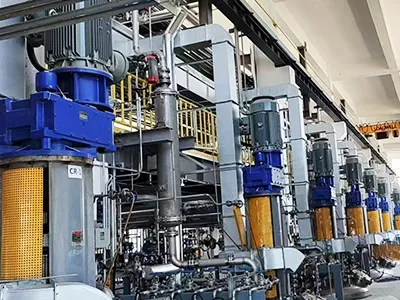
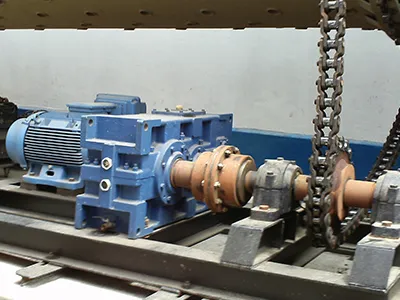
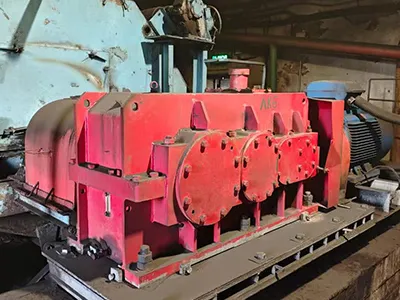
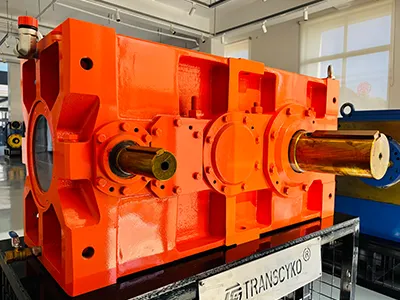
Our Range of Industrial Gearboxes Includes
-
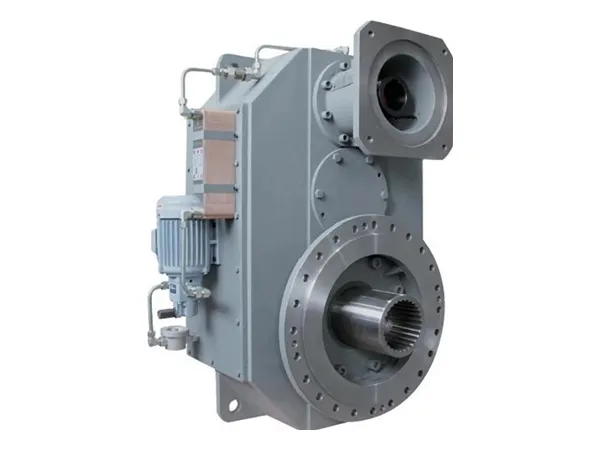
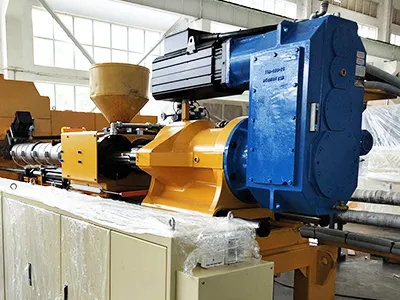
- Gearbox for Injection Moulding Machines Industrial gearboxes for injection moulding machines are designed for precise torque and stable performance during the plasticizing and moulding process. They help improve energy efficiency, reduce noise and cooling water usage, and support high-speed injection with consistent moulding accuracy, which is ideal for producing both thin-walled and thick-walled components. Discover more
-
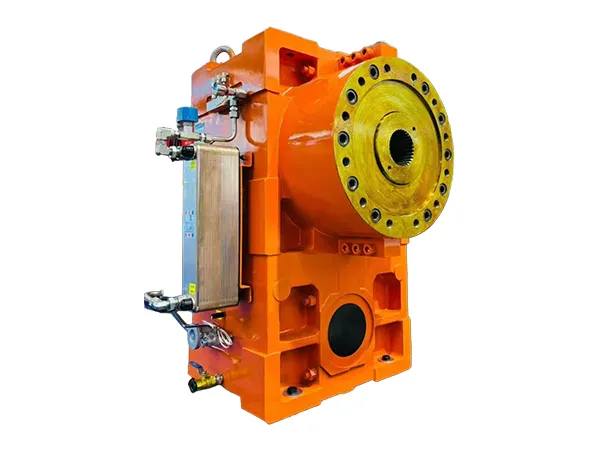
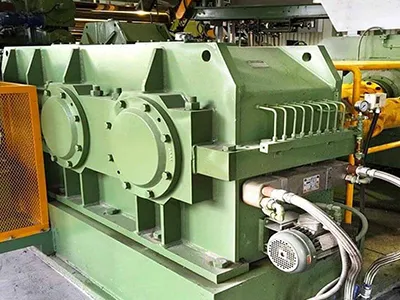
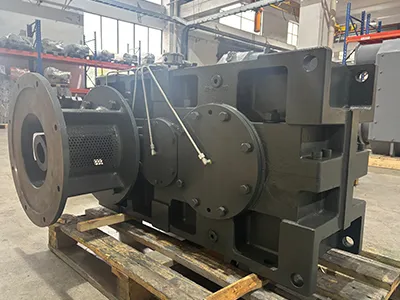
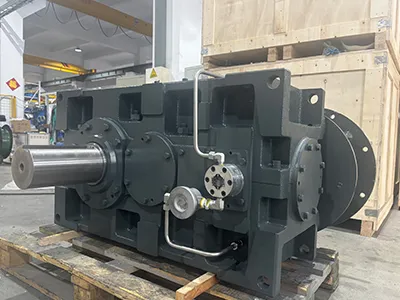
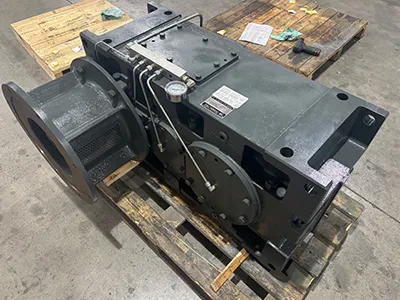
- Gearbox for Single-Screw Extruder Through continuous improvements in parameters such as gear module, helix and pressure angles, and tooth width, the TEX series gearboxes achieve higher efficiency and smoother power transmission. The parallel-shaft structure allows them to handle higher input speeds and torque while keeping operation stable and quiet, even in demanding extrusion environments. Discover more
-
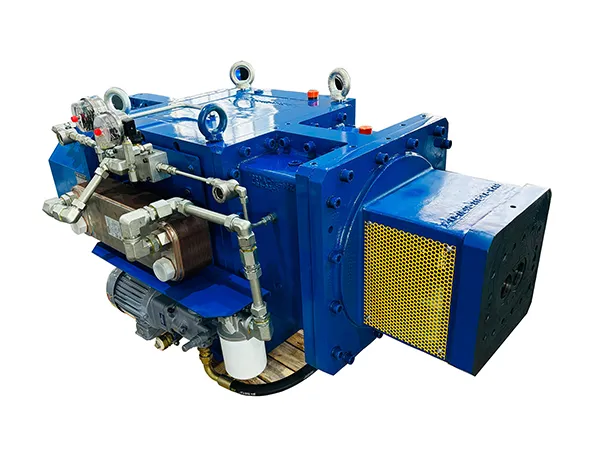
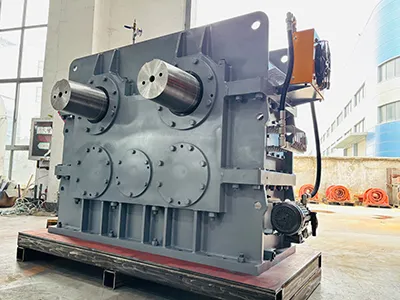
- Gearbox for Twin-Screw Extruder Made with high-strength ductile iron (FCD450) or steel for excellent rigidity and vibration resistance. This ensures structural stability and long service life even under high load and continuous operation. Discover more
-
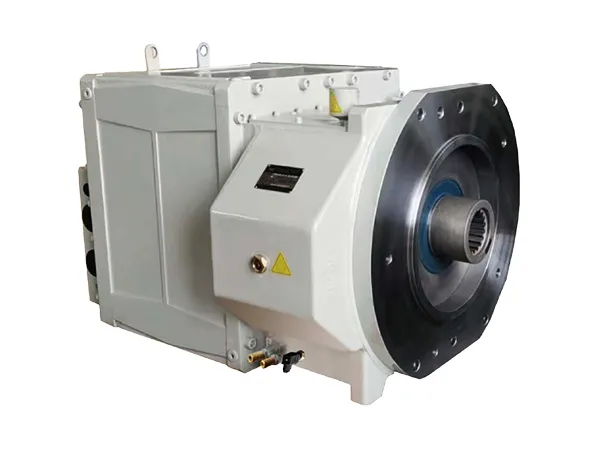
- Compact Gearbox Compact gear units deliver strong performance in limited spaces, offering a power density similar to that of hydraulic drives but with a cleaner, more efficient setup. They are commonly used in plastic processing equipment, mixers, ball mills, shredders, and extrusion lines. Discover more
-
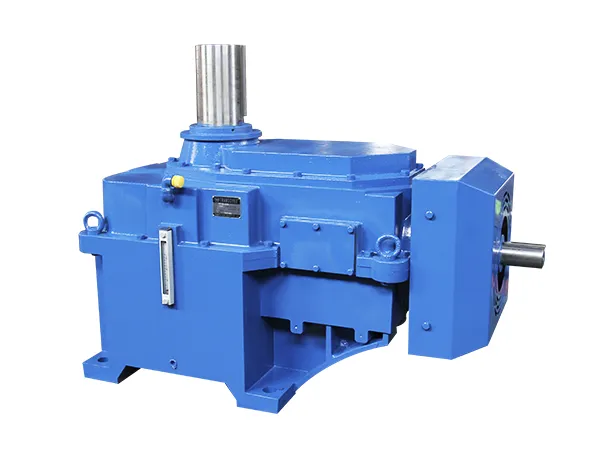
- Gearbox for Cooling Tower The gearboxes used in cooling towers are designed to deliver steady power transmission and reliable motion control. They help drive large fan systems efficiently, even under continuous load and changing weather conditions. With precise gear alignment and smooth torque transfer, these units ensure quiet operation, stable performance, and longer equipment life. Discover more
Other Industrial Gearboxes We Offer
Gearboxes for lithium battery mixing systems
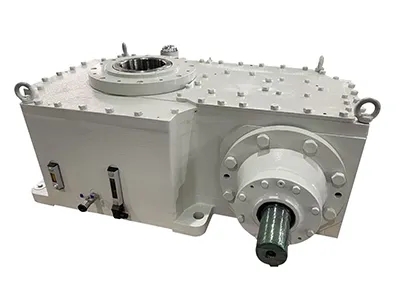
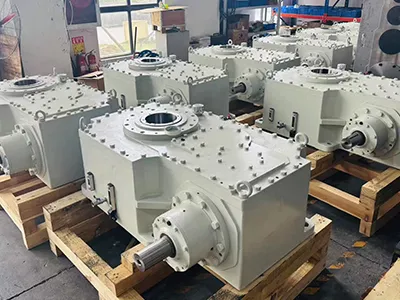
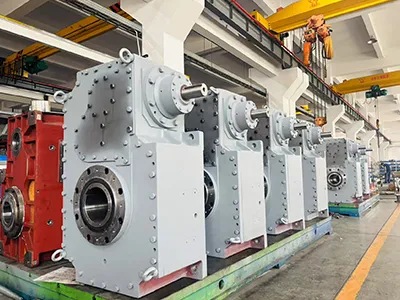
Gearboxes for Chemical Mixing Equipment
More Applications